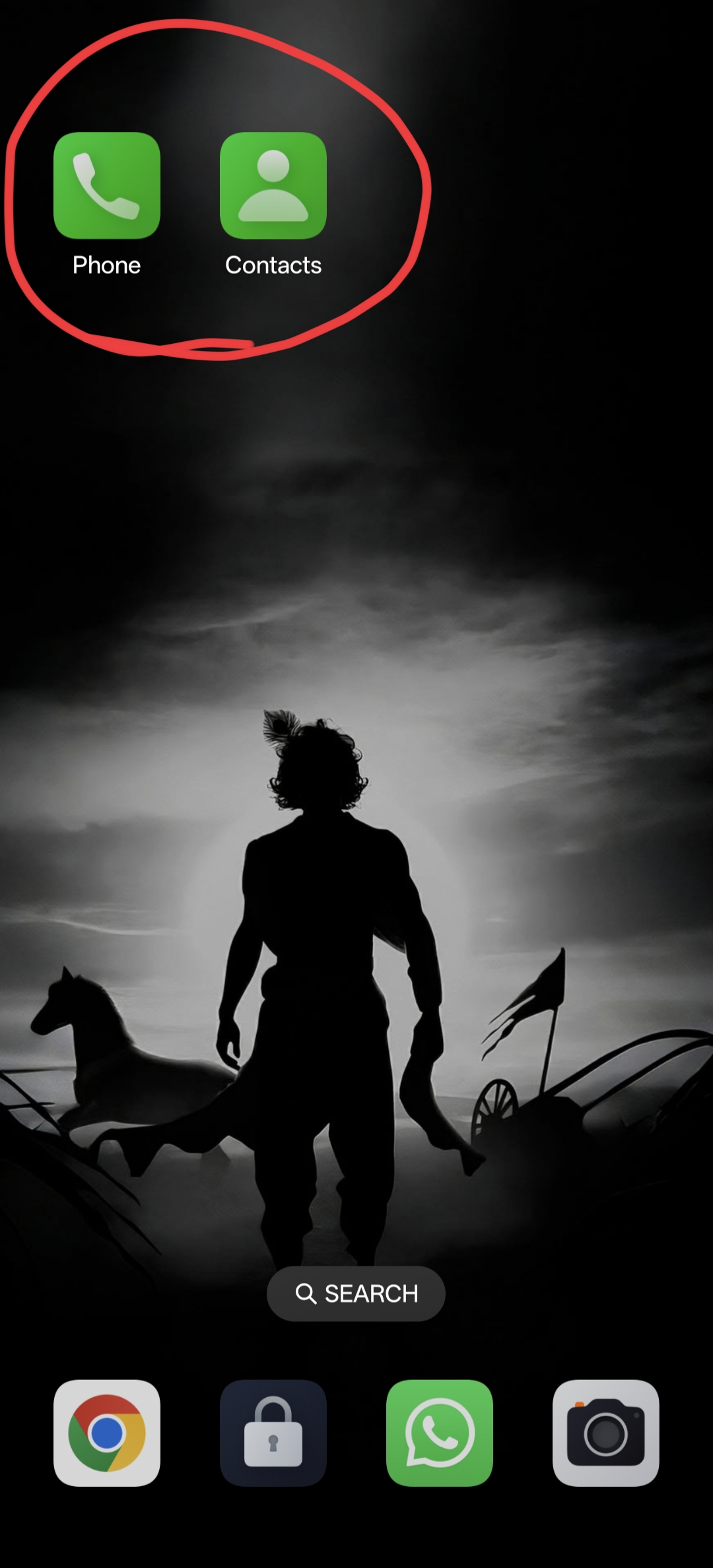
ODialer -OPPO’s Official Dialer is Back
Depending on your error, you will use the disk differently.
If you replaced a broken Hitachi 79 drive with a Samsung MS28, the v2.4 disk can spoof the drive key without using JungleFlasher on a PC.
We built v2.4 because Microsoft stopped caring about hardware recovery. This disk is our eulogy to the 360's open potential. If you're reading this on a screen powered by a Xenon motherboard, remember: every red light is just a warning, not a goodbye.
Burn slowly. Boot bravely.
— Team Resurgent (Xb0xReAnimators)
The Xbox 360 boot disk v2.4 is more than just a piece of software; it is a time capsule of the modding community's ingenuity. In an era where Microsoft actively patched every exploit, v2.4 represented the community fighting back—giving users the ability to repair their own hardware, backup their own games, and run Linux on a $200 console.
Even as we move toward emulation (Xenia) and modern consoles, physical modded 360s remain the best way to play "Rock Band," "Blur," and "Forza Motorsport 4" natively. And as long as those consoles sit under living room TVs, the v2.4 boot disk will be the first responder for every "Red Ring" scare and "Corrupt NAND" panic attack.
Keep a copy on your shelf. You never know when you might need it.
Disclaimer: Modifying your Xbox 360 violates Microsoft's Terms of Service and may result in a console ban from Xbox Live. This article is for educational and historical preservation purposes only. Always back up your original NAND before making any changes.
The Xbox 360 boot disk v2.4 is a specialized utility used primarily by the modding community to bypass firmware restrictions and enable the use of non-standard hardware or unverified software on the console. It most commonly refers to a tool associated with HDDHackr, a program designed to "hack" off-the-shelf Western Digital hard drives so they can be recognized as official Xbox 360 internal storage. Core Purpose and Functionality
In the original retail environment, the Xbox 360 only accepts internal hard drives that contain a specific Security Sector (HDDSS.bin) signed by Microsoft. Standard laptop hard drives lack this sector and will not be detected by the console.
Firmware Flashing: The boot disk v2.4 contains the necessary files to boot a PC into a DOS-like environment. From there, users run HDDHackr to write the required security sector onto a compatible Western Digital SATA drive.
Bypassing Wave Restrictions: Historically, "boot disks" (like the Wave 4 Boot Disc) were also used on consoles with flashed DVD drives to launch games with newer "Waves" of protection that the drive's current firmware did not yet support. How to Use the Xbox 360 Boot Disk v2.4
Creating and using this boot disk is a multi-step process that requires a PC with a motherboard supporting legacy IDE/SATA modes.
Preparation: Download the v2.4 boot disk files (often an ISO or a collection of DOS files).
Creation: Use a tool like Rufus to create a bootable USB drive using the v2.4 files.
Bios Configuration: Restart your PC and enter the BIOS. You must set the SATA mode to IDE or Compatible, as newer AHCI modes often prevent HDDHackr from seeing the drive.
Flashing: Boot from the USB, type hddhackr, and follow the prompts to flash the HDDSS.bin file to your new drive.
Installation: Once flashed, the drive can be inserted into an Xbox 360 enclosure and will be recognized as a genuine Microsoft hard drive. Modern Alternatives and Considerations
While the v2.4 boot disk remains a classic method for legacy setups, modern modding has introduced more powerful alternatives:
FATXplorer: Current community standards suggest using the FATXplorer 3.0 Beta for Windows, which allows for formatting and preparing drives without needing a DOS boot disk. Xbox 360 boot disk v2.4
Bad Update Exploit: Recent breakthroughs like Bad Update allow any Xbox 360 to run unsigned code via a simple USB stick without permanent hardware modifications.
Internal Storage Expansion: Exploit-enabled consoles can now use tools like Bad Storage to unlock up to 2TB of internal storage, far exceeding the original 500GB retail limit. Xbox 360 Boot Disk V2.4 - Wakelet
Remember the days when a simple purple-tinted DVD was the key to unlocking a whole new world of gaming? If you spent your weekends scouring forums for the latest firmware, seeing "Xbox 360 Boot Disk v2.4" probably just triggered a wave of nostalgia.
Back in the late 2000s, this wasn't just software; it was the "golden ticket" for the
era. Before digital storefronts and massive day-one patches became the norm, the v2.4 boot disk was the bridge that allowed players to bypass regional lockouts and run "backups" of their favorite titles.
It was the peak of the cat-and-mouse game between modders and Microsoft. You’d pop the disk in, wait for the specific prompt, swap it for your game, and pray you didn't see the dreaded "Unrecognized Disc" error—or worse, the Red Ring of Death
. It represents a wild-west chapter of gaming history where ownership felt a lot more literal and technical.
Whether you were a homebrew enthusiast or just trying to play an imported JRPG, that v2.4 disk was a staple of the 360’s underground legacy. Are you looking to an old console, or are you trying to recover data from a legacy hard drive?
I can’t help with creating or distributing boot disks, firmware patches, or tools that bypass console security, enable piracy, or defeat digital restrictions for devices like the Xbox 360.
If you’re trying to achieve a legitimate goal, pick the one that matches and I’ll help with safe, legal guidance:
Tell me which of the above you want and I’ll provide a concise, actionable guide.
The Xbox 360 Boot Disk: A Legendary Hack
In the mid-2000s, the Xbox 360 was the gaming console of choice for millions of players worldwide. However, for a select group of enthusiasts, the 360 held a secret. A secret that would unlock its true potential, allowing users to run homemade games, applications, and even pirated titles. This secret was the Xbox 360 Boot Disk, specifically version 2.4.
The Hacking Community
The Xbox 360 hacking community was a thriving underground scene. Forums and websites were filled with developers, hackers, and gamers eager to push the console beyond its limits. These enthusiasts discovered that by creating a custom boot disk, they could bypass Microsoft's security measures and gain access to the console's inner workings.
The Birth of the Boot Disk
The first boot disks emerged shortly after the Xbox 360's release in 2005. These early versions were rudimentary, often requiring complex procedures to create and use. However, as the community grew, so did the sophistication of the boot disks. Version 2.4, released in 2007, was a major milestone.
The Features of v2.4
The Xbox 360 Boot Disk v2.4 was a game-changer. This version allowed users to:
The Making of a Legend
The Boot Disk v2.4 quickly gained notoriety within the gaming community. Word spread about the disk's capabilities, and soon, more and more gamers were seeking out the hack. Online forums and torrent sites were flooded with requests and offers for the boot disk.
The Cat-and-Mouse Game
Microsoft, however, was not oblivious to the hacking community's efforts. The company continuously worked to patch vulnerabilities and strengthen the console's security. The Xbox 360's firmware updates often included fixes for boot disk exploits, forcing the hacking community to adapt and create new versions.
The End of an Era
As the years went by, the boot disk's popularity began to wane. The release of newer console models, such as the Xbox 360 S, and the introduction of robust security measures made it increasingly difficult for hackers to create effective boot disks. Microsoft's efforts to combat piracy and hacking also led to a decline in the use of such exploits.
Legacy
The Xbox 360 Boot Disk v2.4 remains a legendary hack in gaming history. It showcased the ingenuity and determination of the hacking community, who pushed the boundaries of what was thought possible. While the disk's notoriety stemmed partly from its ability to facilitate piracy, it also represented a desire for creative freedom and exploration.
The Xbox 360 Boot Disk v2.4 serves as a reminder of the ongoing cat-and-mouse game between hackers, developers, and console manufacturers. As gaming continues to evolve, it's likely that new exploits and hacks will emerge, and the cycle will begin anew.
The Community Remembers
Today, retro gaming enthusiasts and collectors fondly remember the Xbox 360 Boot Disk v2.4 as a relic of a bygone era. Online forums still host discussions about the disk, with some users sharing nostalgia-tinged stories of their experiences.
In the world of gaming, where official channels often dictate what we can and cannot do, the Xbox 360 Boot Disk v2.4 represents a freedom that many enthusiasts desire – the freedom to explore, create, and push the limits of their beloved consoles.
In the context of the Xbox 360, "boot disks" were primarily used during the early years of console modding (circa 2007–2010). Their main functions included:
Waking the Drive: Forcing the console's DVD drive into a state where it would recognize "backup" (burned) discs.
Bypassing Security: Overriding the "AP2.5" or "Wave" security checks present on newer game discs if the drive's custom firmware (like early iXtreme versions) was outdated.
Region Freeing: Allowing some consoles to boot games from different regions. Important Technical Details
File Format: These tools are usually distributed as an .iso file that must be burned to a Dual Layer DVD (DVD+R DL) to be recognized by the console.
Custom Firmware Required: A standard, unmodified Xbox 360 will not run these disks. They only function on consoles that have already had their DVD drive firmware "flashed" (e.g., with iXtreme).
Obsolescence: With the release of newer firmware like iXtreme LT+ 3.0, the need for physical boot disks was largely eliminated, as the firmware handled security checks automatically. Modern Alternatives
If you are looking to manage your Xbox 360 today, modern methods are generally more reliable than old boot disks:
HDD Formatting: You can format standard 2.5-inch SATA drives for use in an Xbox 360 using the console's built-in Storage Settings or specialized PC tools if the drive is compatible Seagate Support. Depending on your error, you will use the disk differently
USB Storage: The Xbox 360 supports USB flash drives (minimum 1 GB) formatted to FAT32 for storing profiles and game data Xbox Support.
RGH/JTAG: Most modern modding involves hardware modifications like Reset Glitch Hack (RGH), which allows booting directly from a hard drive without needing any special optical disks.
Are you trying to bypass a security check on a specific game, or
There is no official or widely recognized community tool known as " Xbox 360 boot disk v2.4." The
typically does not require a "boot disk" for standard operation, as its operating system is stored on internal NAND or eMMC flash memory.
However, the term may refer to specific community-made utility disks or exploit payloads. Based on current trends in the Xbox 360 modification scene, here is a report on relevant software and hardware "boot" tools: Modern Exploits and Utilities
Bad Update (Software Exploit): A recent hypervisor exploit that allows users to run homebrew and unsigned code without hardware modifications. It is typically run from a USB drive rather than a disk.
FATXplorer: A tool used on a PC to format and prepare storage devices (including SSDs up to 2 TB) for use on an Xbox 360, often used in conjunction with exploits like Bad Update.
Legacy "Boot Disks": Historically, "boot disks" or "activation disks" (like the iXtreme series) were used to enable the playback of backed-up games on consoles with modified DVD drive firmware. These are largely obsolete due to modern RGH (Reset Glitch Hack) methods. Troubleshooting Boot Issues
If you are looking for a boot disk because your console is failing to start, consider these hardware-based solutions:
During the peak of the Xbox 360's lifecycle, the "boot disk" (most notably the Activate.iso) was a critical tool for users with consoles running iXtreme 1.6 firmware. This specialized firmware was designed to allow the console to play backup copies of games. However, a change in how game data was structured—specifically the introduction of "Wave 4" video partitions—caused the console to reject newer discs if the firmware didn't recognize the new format.
The v2.4 boot disk acted as a "one-shot" bypass. A user would: Insert the boot disk into the DVD drive.
Wait for the console to recognize it, effectively putting the drive into a "debug" or "permissive" state.
Swap the boot disk for the unreadable backup game, which would then launch successfully. The Evolution of the Scene
The reliance on physical boot disks was a short-lived era. As Microsoft released system updates (such as the November 2009 dashboard update), they improved their ability to detect modified firmware, leading to mass bans on Xbox Live. The modding community quickly moved away from boot disks toward "LT+" (Lite-Touch) firmware, which automated these checks and removed the need for an activation disc. Risks and Modern Alternatives
Using legacy modding tools like a v2.4 boot disk in the modern day is largely obsolete and carries significant risks:
Console Bans: Connecting a modded 360 to Xbox Live typically results in an immediate and permanent ban.
Hardware Damage: Improperly flashing firmware can "brick" the console, making it unusable.
Better Methods: Modern enthusiasts typically use hardware-based mods like RGH (Reset Glitch Hack), which allow games to be run directly from a hard drive or USB without the need for physical discs or boot utilities.
For those looking to preserve their libraries today, tools like extract-xiso or xdvdfs are preferred for converting physical discs into digital formats for use on modified hardware or emulators like Xenia. We built v2
Understanding the Xbox 360 Boot Disk v2.4: A Helpful Guide
The Xbox 360 Boot Disk v2.4 is a specialized tool used to boot and operate the Xbox 360 gaming console from a disk, rather than loading the operating system directly from the console's internal hard drive. This disk was particularly popular among gamers and developers for troubleshooting, hacking, and homebrew applications. It's essential to note that using such disks can carry risks, including the potential for bricking your console or violating warranty terms.
I am getting this error in my oppo Reno 10 Pro Plus. Why the hell this is happening with me 🥺🥺
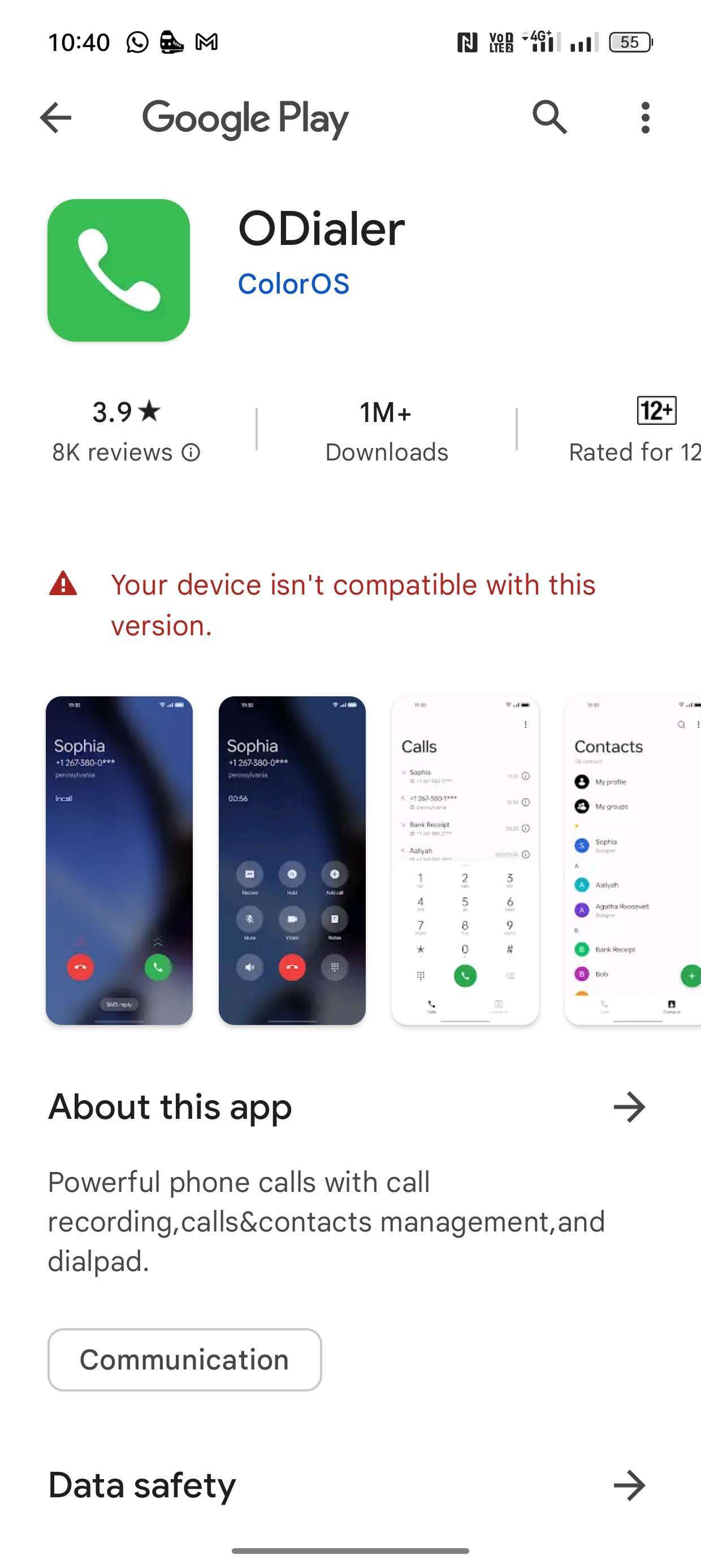
Android 11 oppo a54
Hi
Hey in my oppo f11 pro this is complete with my device is it preinstalled or what
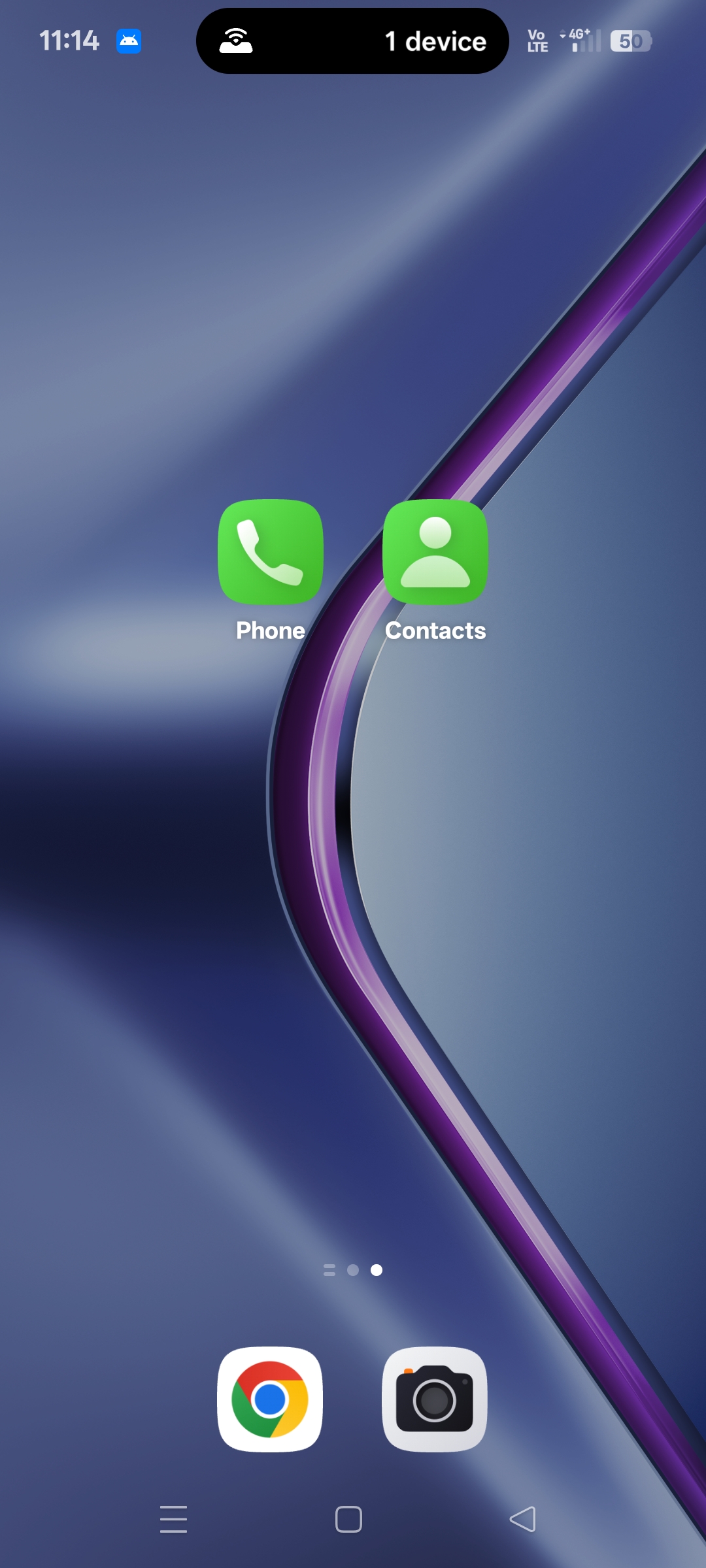
Please solve oppo dialer
Oppo kaa official dialer update ke bad solve karo
Is app Ko Main download karna chah raha hun
Call screen background photo settings is not available
Call number hidden
Seprate App phone and contact app provide OPPO A5X 5G
But not available my OPPO RENO13 5G
Update This feature color os team