Viele spannende Themen:
Elektronik und passende Software
µController-Programme
RaspberryPi, ATMega32, Arduino

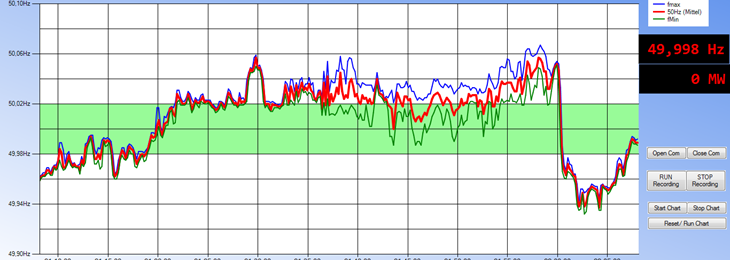
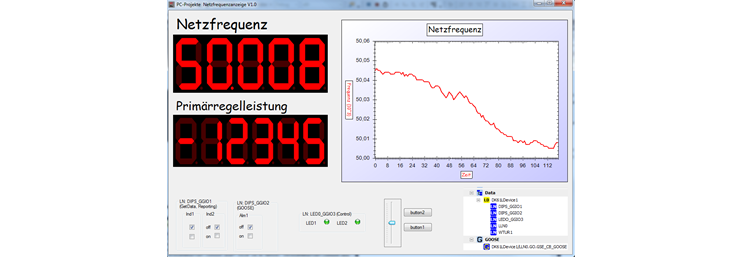
Netzfrequenzanzeige
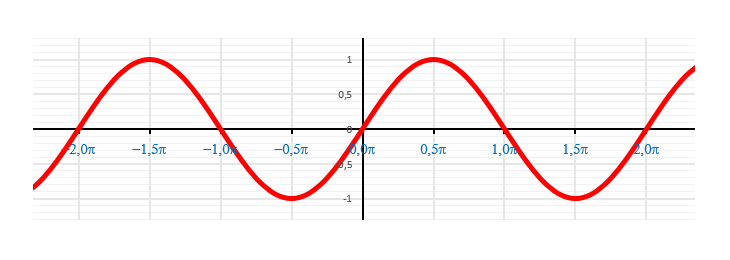
SPS-RTU-Unit
IEC-Protokolle
Modbus / MBus
Search warrants for digital evidence have specific language regarding "Cellebrite extraction." The term UFED 749 appears frequently in court transcripts and affidavits.
Related search suggestions provided.
typically refers to the support for the Samsung SGH-T749 Highlight mobile device within the Cellebrite UFED (Universal Forensic Extraction Device) ecosystem. www.euro-soft.pl Device Forensics Context
The Samsung SGH-T749, also known as the "Highlight," is a legacy GSM device that is supported by various Cellebrite UFED tools, including the UFED Touch UFED Physical Pro
Forensic examiners use these tools to perform several types of data recovery on this specific model: Physical Extraction
: Creating a bit-for-bit physical image of the device's flash memory. This method allows for the recovery of both active data and deleted files from unallocated space. File System Dump
: Extracting the logical file system as a directory structure. Password Extraction
: Directly extracting or displaying user lock codes on the UFED device itself without needing a separate PC for analysis. Broader Forensic Ecosystem
Cellebrite's UFED technology is a standard in digital forensics, used by police organizations globally to maintain the reliability and integrity of digital evidence. For older devices like the T749, it provides critical access to legacy mobile data that might otherwise be inaccessible via modern software-only solutions. Oxford Academic techniques or how Cellebrite handles more modern encrypted devices?
Released by Cellebrite, this version introduced several improvements for digital investigations:
Expanded App Support: Increased compatibility for a wider range of applications on both iOS and Android devices.
Warrant Return Processing: Enhanced capabilities for decoding WhatsApp warrant returns and improved iCloud warrant return data.
Advanced Extraction: Continued support for "Advanced Logical" extractions (such as iTunes backups) for modern iOS versions. Common Uses for UFED
The UFED series is designed for "lawfully accessing and collecting digital data". It allows examiners to:
Extract Sensitive Data: Recover call logs, SMS, photos, videos, and browsing history, even from locked or damaged phones.
Access Encrypted Content: Uncover full file systems and protected data within containerized environments.
Maintain Integrity: Perform "forensically sound" collections that ensure data remains admissible in court. Alternative Meaning
In a medical context, UFED can stand for Unspecified Feeding or Eating Disorder. This is a diagnostic category used when a person's eating behaviors cause significant distress but do not meet the full criteria for specific disorders like Anorexia or Bulimia.
If you are looking for specific technical documentation or software downloads, you may want to check the MyCellebrite portal for the latest release notes and updates. Cellebrite UFED and Cellebrite Responder Version 7.50
Cellebrite UFED 7.49 was a significant update in the forensic industry, primarily known for expanding support for iOS 15 and improving data extraction from popular encrypted messaging apps.
Below is a breakdown of the key features and forensic capabilities introduced or enhanced in this version. 📱 iOS 15 & iCloud Support
The 7.49 update focused heavily on the Apple ecosystem, providing investigators with deeper access to modern iPhone data:
iCloud Backups: Introduced support for decoding iCloud backups from devices running iOS 15.
Warrant Returns: Improved the decoding process for iCloud warrant returns, making it easier to process data legally obtained directly from Apple.
Advanced Extraction: Continued support for Advanced Logical Extraction, which provides a standard set of data across both UFED and Physical Analyzer. 💬 Enhanced Messaging App Decoding
One of the most useful aspects of 7.49 was its expanded ability to parse data from high-security messaging platforms: WhatsApp: Enhanced support for WhatsApp warrant returns. ufed 749
Capability to recover participant information from group audio and video calls on both iOS and Android.
WeChat: Access to deleted data from WeChat on iOS devices became available when used alongside Physical Analyzer 7.16.
App Coverage: Included updates for over 120 application versions, ensuring that the latest security patches on mobile apps didn't block data recovery. 🛠 Core Forensic Capabilities
As part of the UFED (Universal Forensic Extraction Device) series, version 7.49 maintained the industry-standard toolkit for digital investigations:
Bypass & Lock-Pick: Uses advanced bootloaders to bypass or remove screen locks on many Android devices, particularly Samsung and Qualcomm-based models.
Selective Extraction: Allows examiners to focus on specific applications (e.g., just WhatsApp or Photos) to save time when a full file system extraction isn't required.
Selective Decoding: The "Insights from Installed Apps" feature helps triage a device by showing what apps are installed before starting a lengthy extraction. 🔍 Why it Mattered
At the time of its release, 7.49 helped bridge the gap for investigators dealing with the rollout of iOS 15. It addressed the increasing difficulty of extracting cloud-synced data and refined the "Warrant Return" workflow, which has become a primary method for law enforcement to obtain data when physical device access is limited. How can I help you further?
If you are working on a specific case or research project, let me know:
The Industry Impact of UFED 7.49: Advancing Mobile Forensics
The release of UFED 7.49 marked a significant milestone for Cellebrite, the industry leader in digital intelligence. This version specifically enhanced the capabilities of the Universal Forensics Extraction Device (UFED) and its companion tool, Cellebrite Responder, ensuring law enforcement and corporate investigators could keep pace with modern mobile security. Key Features and Support in Version 7.49
UFED 7.49 was designed to address the challenges of updated mobile operating systems and encrypted data sources. Its primary focus included:
iOS Support Expansion: The update introduced support for devices running iOS 14.7 and 14.8, allowing investigators to perform advanced logical extractions on the latest Apple hardware available at that time.
Wider Application Decoding: Enhanced support for WhatsApp warrant returns and improved decoding for iCloud warrant returns were integrated, streamlining the process of ingesting data from cloud-based legal requests.
Advanced Examination Tools: In tandem with UFED 7.49, the Cellebrite Physical Analyzer received updates to decode a broader range of third-party applications on both iOS and Android platforms. Core Capabilities of the UFED Platform
The UFED series is widely considered the gold standard for accessing and collecting digital data. Agencies utilize it for:
Deep-Dive Extractions: UFED enables Full File System (FFS) and physical extractions, which provide significantly more data than basic logical methods—often up to 60% more information.
Lawful Device Access: It is built to bypass complex locks, encryption barriers, and "After-First-Unlock" (AFU) states, even on damaged or highly secure devices.
Forensically Sound Workflow: The platform maintains a strict chain of custody, ensuring that evidence extracted from phones, tablets, SIM cards, and drones remains court-ready. Specialized Hardware Options
While UFED 7.49 is a software version, it runs across several specialized hardware formats tailored for different environments:
UFED 4PC: A software-only solution that can be installed on an existing high-performance PC or laptop. UFED Touch3
: A ruggedized tablet designed for on-the-scene extractions, featuring a high-resolution multi-touch display and built-in SIM readers.
Ruggedized Laptop: A purpose-built kit housed in a case that can withstand extreme temperatures, shocks, and drops, ideal for field military or tactical use. The Evolution of Digital Investigations
The transition to versions like 7.49 reflects the constant arms race between mobile security and forensic access. By automating extraction methods through features like Smart Flow, the UFED platform helps investigators quickly identify the most successful path—whether it be physical, logical, or file system extraction—based on the specific chipset and security profile of the target device. Mobile Device Extraction Tool for iOS - Cellebrite UFED
Here’s a social media post tailored for UFED 749, assuming it refers to a Cellebrite UFED firmware version, training course, or software release. If you meant something else (e.g., a product code, event, or internal tool), let me know and I’ll adjust. Search warrants for digital evidence have specific language
Option 1: Tech/Forensics Focus (LinkedIn, X, or forensic forums)
🚨 UFED 749 – What’s New?
Cellebrite’s latest UFED release (build 749) brings updated extraction workflows, enhanced iOS/mobile support, and critical bug fixes.
🔍 Key improvements:
If you’re in digital forensics, update carefully – test on duplicates first. Always verify with known samples before casework.
💬 Have you tried 749 yet? Noticed any regression or improvements? Let’s share notes below.
#DigitalForensics #Cellebrite #UFED #MobileForensics #DFIR
Option 2: Short & Punchy (for internal team or quick update)
UFED 749 is live.
Update checklist:
☑️ Backup old reports
☑️ Test on training images
☑️ Document new supported devices
Stay forensic. Stay sharp.
#UFED749 #ForensicsUpdate
Option 3: If this is for a training course (e.g., “UFED 749 – Advanced Acquisition”)
New course alert: UFED 749
Master advanced extraction techniques on locked Android/iOS devices. Hands-on with Cellebrite UFED 4.x and physical analyzers.
📅 Next cohort: [date]
📍 [online/in-person]
🎯 Prereq: UFED Basic or equivalent experience
Register → [link]
#CellebriteTraining #UFED749 #MobileForensics
Let me know the exact context (firmware, tool version, training, or internal build) and I’ll tailor it further.
The Cellebrite UFED 749 is a digital archaeology tool. It is not the fastest, nor the most current, but it remains a cornerstone of digital forensics for a specific niche: law enforcement agencies and corporate auditors who handle a wide variety of legacy devices in offline environments.
For the average consumer, the UFED 749 is a terrifying concept—a device that can pull deleted secrets from an old phone. For an examiner, it is a reliable workhorse. However, given the rapid evolution of mobile security (iOS 17's Stolen Device Protection and Android's StrongBox), the 749 is best viewed as a secondary "legacy bridge" rather than a primary extraction tool in 2025.
If you are in the market for one, prioritize units with the original cable kit (Cables are $2,000 to replace individually) and ensure the license is transferable. Otherwise, look at the UFED 4PC, which, while requiring a laptop, offers modern exploit support.
Keywords integrated: ufed 749, Cellebrite UFED 749, mobile forensics, physical extraction, chip-off forensic, UFED Touch2 comparison, legal extraction device.
Title: Digital Forensics in the Modern Era: The Role and Impact of UFED 749
In the rapidly evolving landscape of digital forensics, the "UFED 749" represents a specific iteration of the Universal Forensic Extraction Device (UFED) series developed by Cellebrite. As law enforcement and private investigators grapple with the increasing complexity of mobile encryption and data storage, tools like the UFED 749 serve as critical infrastructure for the recovery and analysis of digital evidence. This essay examines the technical significance, operational utility, and ethical implications of the UFED 749 in contemporary investigations. Option 1: Tech/Forensics Focus (LinkedIn, X, or forensic
At its core, the UFED 749 is designed to bypass security barriers on a wide range of mobile devices, including smartphones, tablets, and GPS units. The primary challenge in modern forensics is the shift toward end-to-end encryption and secure boot chains. The UFED 749 addresses these hurdles through sophisticated extraction methods, such as physical, file system, and logical extractions. Physical extraction is particularly vital, as it allows investigators to create a bit-for-bit copy of the device's storage, often enabling the recovery of deleted data, hidden partitions, and system logs that would otherwise be inaccessible through standard user interfaces.
Beyond simple data recovery, the UFED 749 is valued for its ability to maintain the integrity of evidence. In a legal context, the "chain of custody" is paramount. The device utilizes write-blocking technology and generates detailed audit logs to ensure that the original data on the target device remains unaltered during the extraction process. This forensic soundness ensures that the evidence gathered can withstand the scrutiny of a courtroom, providing a verifiable link between digital activity and physical suspects.
However, the power of the UFED 749 also brings significant ethical and privacy concerns to the forefront. The ability to extract deeply personal information—including private messages, location history, and biometric data—poses a risk to civil liberties if used without strict judicial oversight. The ongoing "going dark" debate, which pits the needs of public safety against the rights of individual privacy, is often centered around the deployment of such technology. Furthermore, the existence of these tools creates an "arms race" between forensic developers and tech manufacturers, who continually update their software to patch the very vulnerabilities that the UFED 749 exploits.
In conclusion, the UFED 749 is a double-edged sword in the digital age. It is an indispensable asset for solving crimes and ensuring justice in an era where the majority of human interaction is digitized. Yet, its efficacy necessitates a robust legal framework to prevent misuse. As mobile technology continues to advance, the UFED 749 stands as a testament to the ongoing struggle to balance technological transparency with the fundamental right to digital privacy.
UFED 7.49 refers to a specific version of software used with the Cellebrite Universal Forensic Extraction Device (UFED). It is a powerful tool utilized primarily by law enforcement, intelligence agencies, and military organizations to bypass security locks and extract data from mobile devices. Key Capabilities of UFED 7.49
Bypassing Lock Screens: Version 7.49 is frequently cited for its ability to remove or bypass lock screen protections—such as PINs, patterns, and passwords—across various Android smartphone brands without deleting user data.
Deep Data Extraction: It enables investigators to pull comprehensive data, including hidden or deleted files, call logs, messages, and media, from over 10,000 different device profiles.
Universal Compatibility: As part of the Cellebrite UFED Series, it supports a wide range of platforms including iOS, Android, and even older portable GPS devices. The Role of Cellebrite UFED in Digital Forensics
The UFED system is widely regarded as a gold standard in the digital forensics industry. It allows for:
UFED 7.49: A Comprehensive Guide
Introduction
UFED (Universal Forensic Extraction Device) is a popular mobile forensics tool used by law enforcement agencies, digital forensics experts, and cybersecurity professionals to extract and analyze data from mobile devices. UFED 7.49 is the latest version of this powerful tool. In this guide, we will cover the features, capabilities, and usage of UFED 7.49.
Key Features of UFED 7.49
UFED 7.49 Components
Setting Up UFED 7.49
Using UFED 7.49
Extraction Methods
Artifacts and Reporting
Tips and Best Practices
Troubleshooting
Conclusion
UFED 7.49 is a powerful mobile forensics tool that provides advanced extraction and analysis capabilities. By following this guide, users can effectively use UFED 7.49 to extract and analyze data from mobile devices.
UFED 749: What You Need to Know
If you work in digital forensics or mobile device analysis, you’ve likely come across the term UFED 749. This refers to a specific firmware or software version used within Cellebrite’s UFED (Universal Forensic Extraction Device) ecosystem — a critical tool for law enforcement, military, and forensic investigators.
The UFED 749 is a Swiss Army knife of extraction methods. Depending on the phone's make, model, and OS version, the device can perform up to five levels of extraction.