Kidsfighting.com ✦ Tested & Working
Astrology Software tamil
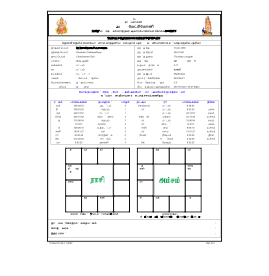
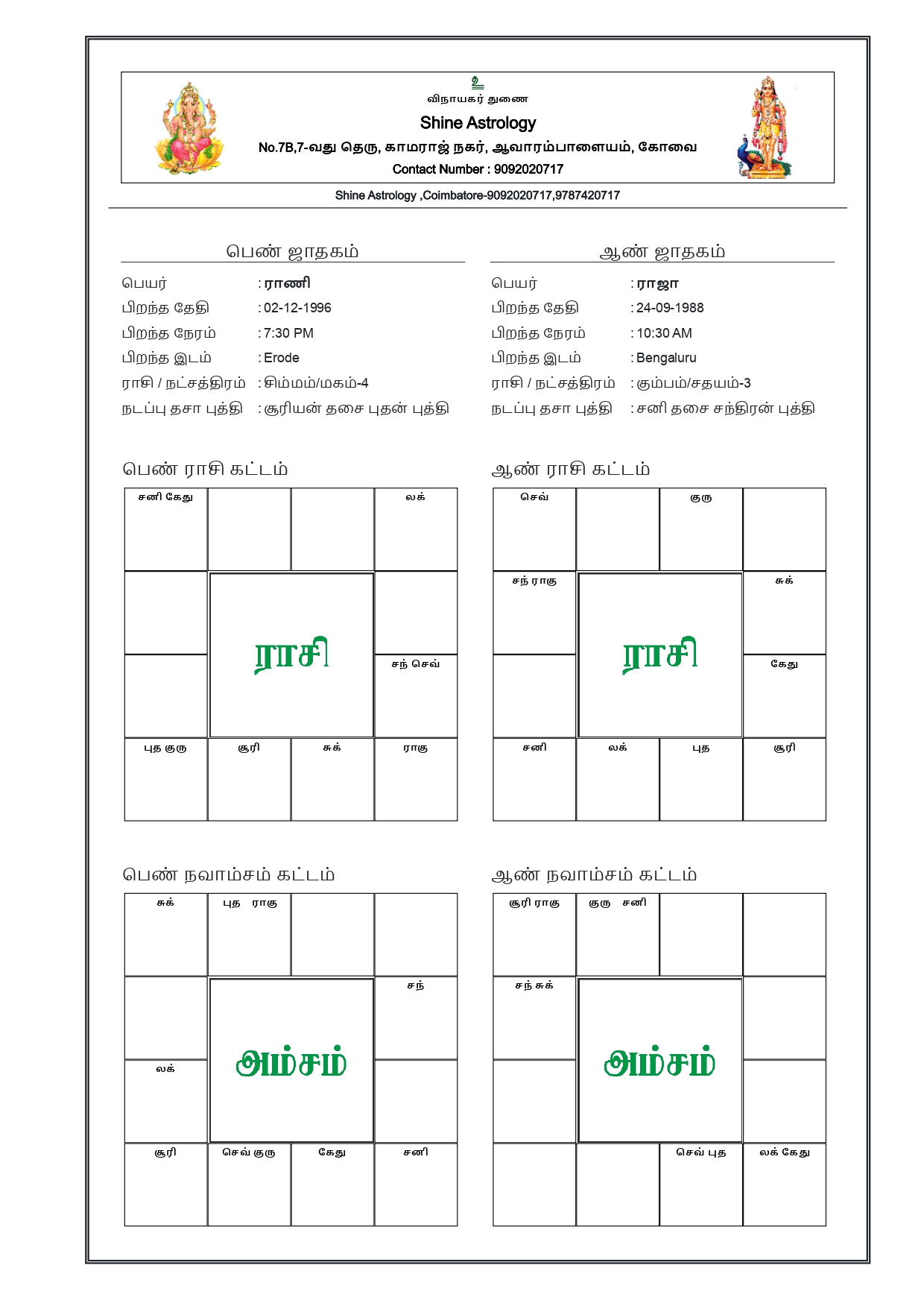
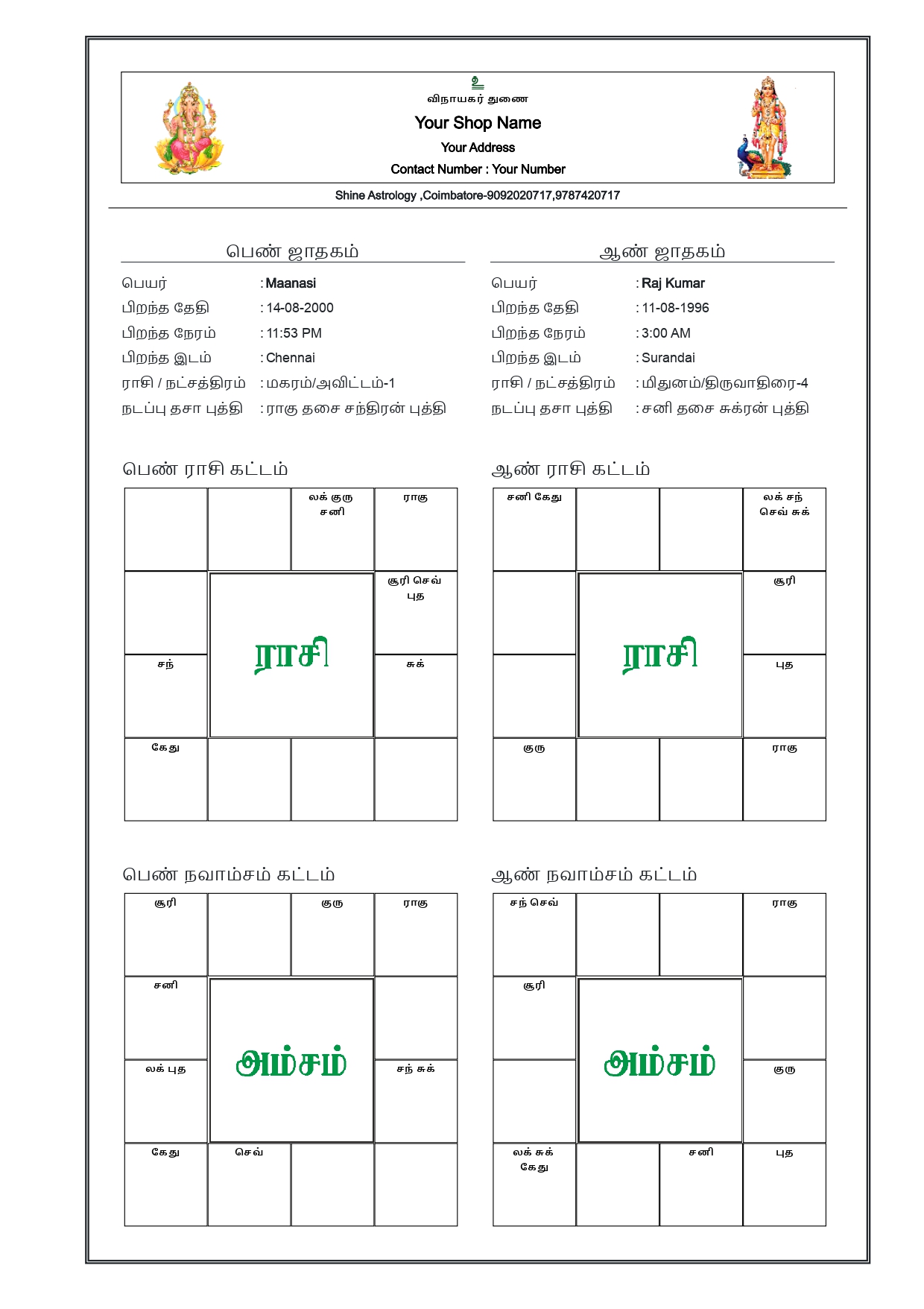
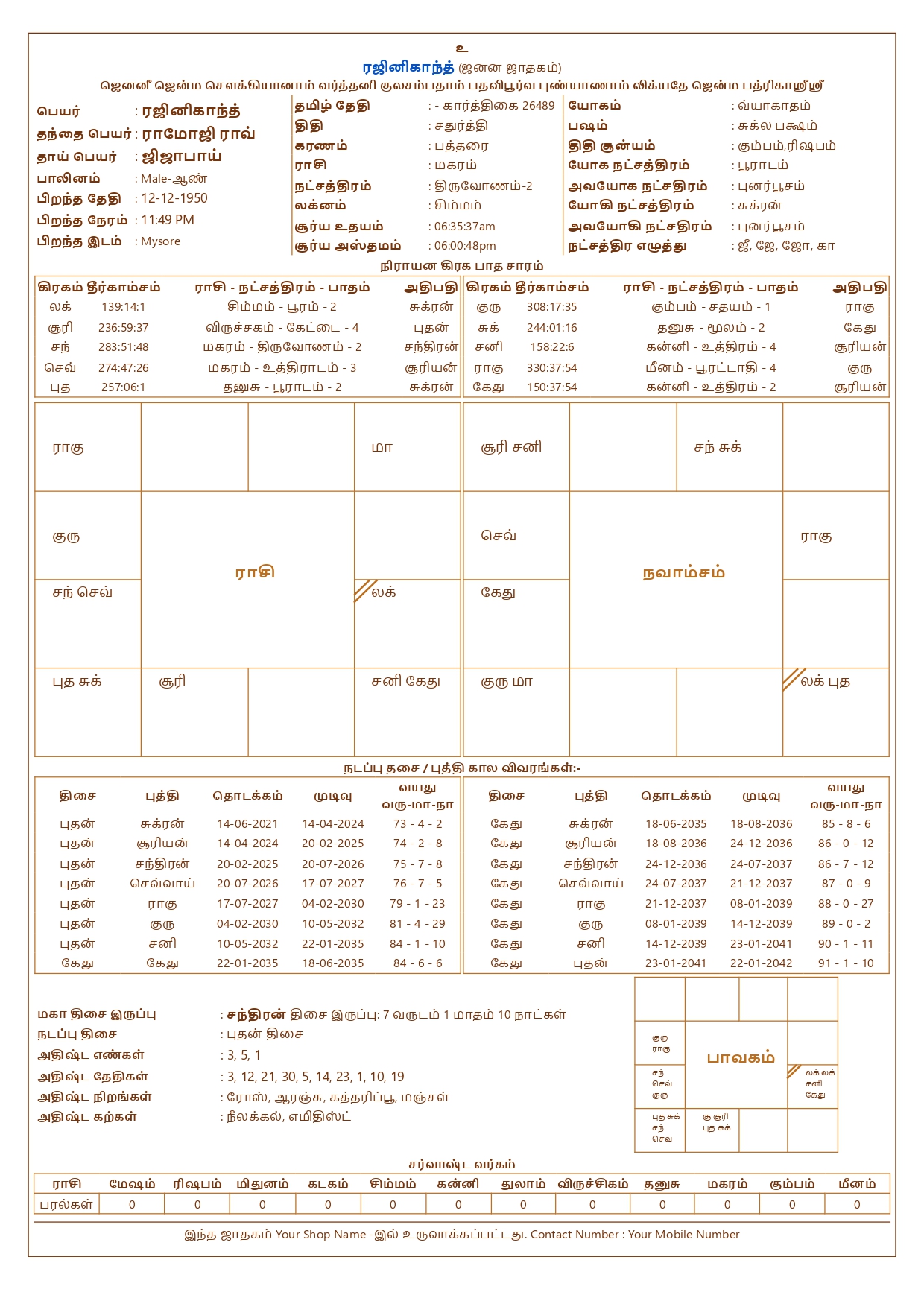
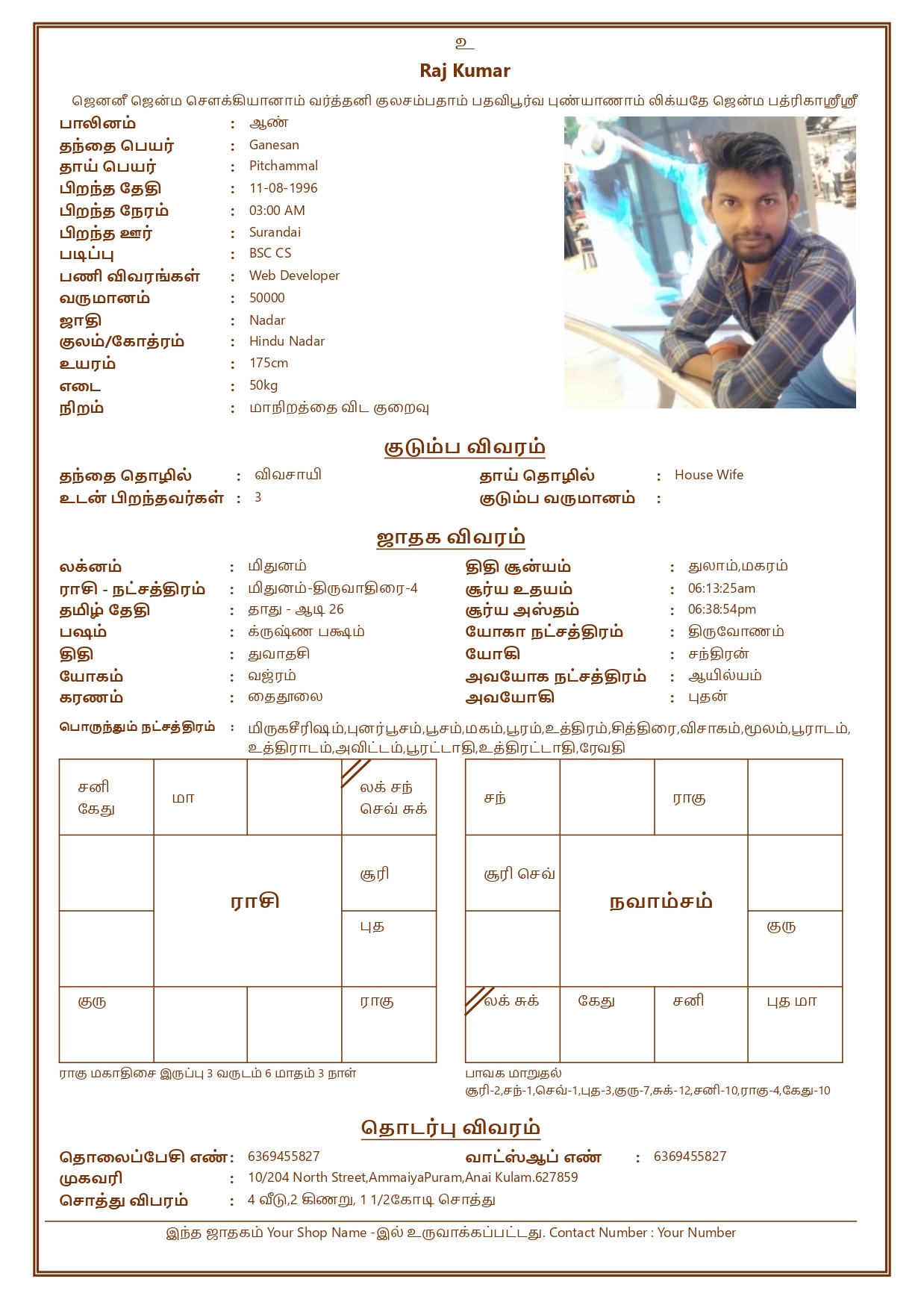
Shine astrology is the best astrology software in tamil, give service to csc, browsing center, xerox shop, astrology and E-sevai maiyam.
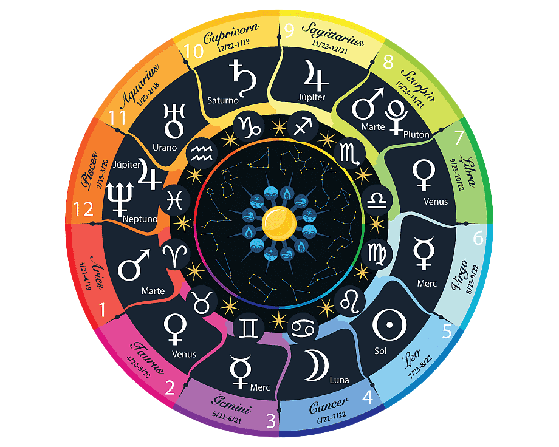
Shine astrology is the best astrology software in tamil, give service to csc, browsing center, xerox shop, astrology and E-sevai maiyam.

எங்களது Shine astrology software CSC, E-sevai, xerox shop, மற்றும் ஜோதிடர்களுக்கு பொருத்தமாக வடிவமைக்கப்பட்டது. Shine astrology software tamil மிக குறைந்த முதலீட்டில் முழுக்க முழுக்க online மூலம் செயல்படும் astrology software. வேறு எந்த software இல் இல்லாத பல சிறந்த சந்தைக்கு தேவைப்படும் அம்சங்கள் எங்களிடம் உள்ளது.
Q: Should I let my kids "fight it out" to solve their problems? A: No. Never. Physical fighting escalates. Separate them immediately, then let them "talk it out."
Q: Is wrestling on the living room floor OK? A: Yes, if both are laughing and can stop instantly when you say "Freeze." That is play fighting, which builds social bonds.
Q: My child keeps getting hit at school but never hits back. Is this bad? A: Not necessarily. If they are walking away and telling the teacher, they are using the correct protocol. Teach them to use a loud voice ("Stop touching me!") before resorting to physical defense.
Q: At what age should I start martial arts? A: Ages 4-5 for introductory BJJ or karate. Ages 7+ for contact sparring.
For more resources, including the "Sibling Peace Contract" and "De-escalation Flash Cards," explore the tools section of KidsFighting.com.
End of Article.
The Benefits of Encouraging Healthy Conflict Resolution in Kids: A Guide for Parents
As parents, we've all been there - standing in the middle of a chaotic playroom, refereeing yet another dispute between our little ones. "He took my toy!" "No, I did not!" "Give it back!" It's enough to make us want to pull our hair out.
But what if, instead of constantly intervening and mediating, we could teach our kids the skills they need to resolve conflicts on their own? What if we could help them learn to navigate disagreements and come out stronger on the other side?
At Kids Fighting, we believe that encouraging healthy conflict resolution in kids is one of the most valuable skills we can teach them. By doing so, we're not only helping them develop essential life skills, but also fostering resilience, empathy, and self-confidence.
Why Conflict Resolution Matters
Conflict is a natural part of life. It's how we learn to navigate different perspectives, needs, and wants. By teaching kids how to resolve conflicts in a healthy way, we're giving them the tools they need to:
Strategies for Encouraging Healthy Conflict Resolution kidsfighting.com
So, how can you encourage healthy conflict resolution in your kids? Here are some strategies to try:
Conclusion
Kidsfighting.com represents the digital presence of Tampa's Krav Maga Martial Arts (KMMA), focusing on building children's confidence, discipline, and self-defense skills to "bully-proof" them. The curriculum emphasizes a "Black Belt Leadership" mindset, prioritizing situational awareness and verbal de-escalation over physical aggression to empower youth. Read more at the website for kidsfighting.com.
Because "kidsfighting.com" could apply to several distinct niches, the best approach is to select the direction that matches your brand goals. Here are three content strategies ranging from sports to social causes: 1. Youth Combat Sports & Martial Arts
If the site is for a martial arts school or training resource, the focus should be on discipline, physical fitness, and safety. Core Message: "Building Champions On and Off the Mat." Key Content Pillars:
The Big Three: Dedicated sections for Brazilian Jiu-Jitsu (BJJ), Karate, and Wrestling tailored for children.
Character Building: Articles on how martial arts improves focus, respect for others, and self-discipline.
Safety First: A parent’s guide to gear (headgear, mouthguards) and "sparring with control". Call to Action: "Sign up for a free trial class today!". 2. Bullying Prevention & Empowerment
If the site is an educational resource, the content should pivot toward non-violent conflict resolution and mental resilience. Core Message: "Giving Kids the Tools to Stand Tall." Key Content Pillars:
The "Verbal Judo" Toolkit: Guides on how to de-escalate bullying using words rather than fists.
Confidence Workshops: Interactive videos or blog posts on body language and asserting boundaries.
Parent/Teacher Portal: Resources for adults to help identify and intervene in bullying scenarios. Call to Action: "Download the Anti-Bullying Resource Kit.". StopBullying.gov Q: Should I let my kids "fight it
Reporting websites or content featuring children fighting involves utilizing platform-specific tools, the eSafety Commissioner, or, in the U.S., the Internet Crime Complaint Center (IC3) to ensure removal and protect minors. If the incident involves real-world abuse or safety concerns, mandated reporters should document factual details, such as names and specific behaviors, and report to the appropriate child protective services. For guidance on reporting harmful content, visit Report Harmful Content. Mandated Reporters - Maryland Department of Human Services
Searching for "kidsfighting.com" primarily yields results related to the broader world of youth combat sports child safety awareness rather than a single, active flagship website.
Based on these themes, here are two distinct features you could develop for a project with this name: Feature Option 1: The "Little Warriors" Training Guide
Focus on the disciplined side of youth martial arts (MMA, Jiu Jitsu, Boxing) that builds resilience. Gym Locator : A directory to help parents find reputable, safety-first martial arts schools in their local area. Gear Guides
: Expert-backed reviews on the best protective gear, including headgear, mouthguards, and
: Interviews with certified trainers about the balance between "combat" and "discipline" in children's sports. Feature Option 2: The "Kids Fighting Cancer" Advocacy Hub
Focus on community support and fundraising for children battling health challenges. Family Spotlights
: A blog featuring real stories of brave children and their families, modeled after impact stories from St. Jude Children’s Research Hospital Fundraising Toolkits
: Downloadable guides to help communities host events like the "Great Cycle Challenge" or local bake sales to fund pediatric research. Research Updates
: A layman-friendly news section on breakthroughs in DIPG and other childhood cancers, similar to resources from the ChadTough Defeat DIPG Foundation Important: Online Safety Considerations
If the topic involves sharing videos of children, it is critical to prioritize digital safety and privacy COPPA Compliance : Ensure any platform follows the Children's Online Privacy Protection Act to protect kids' personal data. Zero-Tolerance Policy : Clear guidelines against hosting bullying, pranking, or humiliating content to maintain a positive and safe environment. Which of these directions— youth sports health advocacy —better fits the goal you have in mind for your project? ChadTough Defeat DIPG Foundation: Homepage
Siblings fight. It is a law of nature, like gravity. But why do they do it? For more resources, including the "Sibling Peace Contract"
1. They are practicing for the real world. The home is a safe laboratory. When your daughter argues with her brother about whose turn it is on the iPad, she is learning negotiation, persuasion, and boundaries. It’s ugly to watch, but it is a necessary skill set.
2. They are battling for resources. In a child's mind, the scarcest resource isn't money or food—it is your attention. Often, fighting is a bid to see who captures the parent’s focus first.
3. They are tired, hungry, or overstimulated. Never underestimate the destructive power of low blood sugar. The "witching hour" before dinner exists for a reason.
URL: www.kidsfighting.com Category: Parenting / Child Psychology / Youth Sports
Do not scream from the other room. Do not play judge and jury. Follow this proven method:
Step 1: Separate Physically (The "Cool Down" Corner) Remove the children from each other’s line of sight. Do not discuss who started it. Just say, "We do not hit in this house. Go to your separate corners for 5 minutes."
Step 2: Validate Feelings, Not Actions After the timer goes off, bring them together. Say to the hitter: "You were angry because your sister looked at your drawing. That is a valid feeling. Hitting is not a valid choice."
Step 3: The Rehearsal Force them to role-play the scenario correctly. "Now, show me what you should do next time. Say 'I need space' instead of swinging your fist."
The goal of KidsFighting.com is not to raise passive children. We do not want kids who run away from every confrontation. We want assertive children who can stand up for themselves verbally, walk away from ego battles, and defend themselves physically only when absolutely necessary.
Fighting is a language. Right now, your child is speaking it poorly. With your guidance—and possibly a martial arts uniform—they can learn to speak the language of confidence, self-control, and respect.
Remember: The opposite of fighting isn't passivity; it is self-regulation.
Now for the positive interpretation of our keyword. Kids SHOULD fight—in a dojo, under supervision, with rules.
Enrolling your aggressive child in martial arts seems counterintuitive, but research shows it is one of the best interventions for impulsive kids.
மொத்த வாடிக்கையாளர்
மொத்தம் எடுக்கப்பட்ட ஜாதகம்
இந்த மாதம் எடுக்கப்பட்ட ஜாதகம்