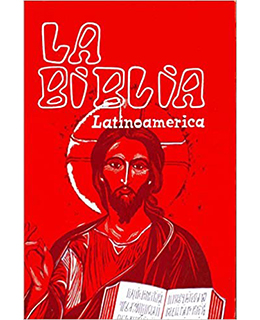
BIBLIA LAT.LETRA GRANDE
Autor: HURAULT BERNARDO / RICCIARDI RAMON /Editorial: SAN PABLO (1) E
Precio S/ 76.6
Comprar
For decades, gay bars and lesbian feminist spaces provided refuge for transgender individuals. However, internal fault lines have emerged.
Shows like Pose (featuring the largest trans cast in TV history), Disclosure (a documentary on trans representation in film), and politicians like Sarah McBride (first openly trans state senator) have forced the LGBTQ establishment to pivot. Major organizations like GLAAD, HRC, and The Trevor Project now prioritize trans issues.
Ironically, as trans visibility has risen, so has legislative cruelty. In 2023-2024, over 500 anti-trans bills were introduced in the US alone. This has galvanized the broader LGBTQ community. For the first time, Pride parades are explicitly trans-led protests again, mirroring 1969. The pink triangle has been joined by the trans flag’s light blue and pink stripes.
During the 1980s and 1990s, the AIDS epidemic forced cooperation among all LGBTQ+ communities. Transgender individuals, particularly trans women involved in sex work, faced devastating infection rates and neglect from both government and mainstream gay organizations. ACT UP’s model of militant direct action was adopted by trans activists, and organizations like the Transgender Law Center emerged. This period cemented the understanding that “trans rights are queer rights” in the face of a common enemy: state neglect and stigmatization.
Creating a more inclusive and understanding society involves several steps:
In conclusion, the transgender community and LGBTQ+ culture are rich and multifaceted. By embracing diversity, fighting discrimination, and promoting understanding, we can build a more inclusive and supportive world for everyone.
This guide provides an overview of the transgender community and broader LGBTQ+ culture, focusing on terminology, supportive practices, and cultural nuances. 1. Fundamental Terminology
Understanding the distinction between identity, expression, and orientation is the foundation of LGBTQ+ literacy.
Gender Identity: An internal sense of being a man, woman, nonbinary, or another gender, which may or may not align with the sex assigned at birth.
Transgender: An umbrella term for people whose gender identity differs from the sex they were assigned at birth. asain shemale noon
Cisgender: People whose gender identity aligns with the sex they were assigned at birth.
Nonbinary: Identities that do not fit exclusively into the male or female categories.
Sexual Orientation: Patterns of attraction (e.g., lesbian, gay, bisexual, straight). Note: Being transgender is about identity, not who someone is attracted to. 2. Navigating the Transition Process
There is no "standard" way to be transgender; each journey is unique and valid.
Social Transition: Changing names, pronouns, hair, or clothing to align with one's identity.
Medical Transition: Some, but not all, trans people pursue hormone therapy or gender-affirming surgeries.
Legal Transition: Updating identification documents like birth certificates or driver's licenses.
Gender Dysphoria: The distress some people feel when their biological sex does not match their gender identity. 3. LGBTQ+ Cultural Nuances
The community is highly diverse and includes many specific cultural identities. For decades, gay bars and lesbian feminist spaces
Queer: Once a slur, it has been reclaimed by many as a broad, inclusive label, though some older members may still find it offensive.
Two-Spirit: A modern umbrella term used by some Indigenous North Americans to describe diverse gender and sexual identities within a traditional cultural context.
Intersectionality: Trans and LGBTQ+ people belong to many other groups (race, religion, disability), which shapes their unique experiences and the specific discrimination they may face. 4. Best Practices for Allies
Small actions in language and behavior can create a significantly more inclusive environment.
Use Correct Names and Pronouns: Always use a person’s current name and pronouns, even when referring to their past.
Avoid Assumptions: Do not assume someone's gender, orientation, or medical history based on their appearance.
Practice Inclusive Language: Use gender-neutral terms like "partner" instead of "husband/wife" or "folks" instead of "ladies and gentlemen".
Educate Yourself First: Seek out resources from organizations like GLAAD or The Trevor Project rather than expecting trans people to provide all the education. 5. Key Challenges & Advocacy
The community faces systemic hurdles that allies can help address. Creating a more inclusive and understanding society involves
Mental Health: LGBTQ+ individuals, especially youth, face higher risks of depression and suicide due to societal rejection and discrimination.
Safety: Transgender people, particularly people of color, experience disproportionately high rates of violence and harassment.
Advocacy: Supporting inclusive policies and organizations like the Human Rights Campaign (HRC) or ACLU helps protect basic rights. Cultural Competence in the Care of LGBTQ Patients - NCBI
Title:
Navigating Identity, Visibility, and Resistance: The Transgender Community within LGBTQ+ Culture
Author: [Generated for Academic Purposes]
Course: Sociology of Gender & Sexuality
Date: April 20, 2026
Despite shared history, the relationship between the transgender community and the broader LGBTQ culture is not without friction. One of the most painful aspects of trans history is internal gatekeeping.
In the 1970s and 80s, as the gay rights movement sought mainstream acceptance (often via respectability politics), trans people were sometimes pushed aside. The fear was that trans identities were "too radical" or "too confusing" for the heterosexual public to accept. Sylvia Rivera famously had to crash a gay rights rally in 1973, fighting to be heard over boos from the gay crowd, shouting, "You all go to bars because of what I did for you!"
Today, this manifests in what activists call "LGB drop the T" movements—factions within the queer community that argue for abandoning trans people to secure rights for gay people. This is ahistorical and dangerous. Modern LGBTQ culture is grappling with this fracture, but the overwhelming consensus within established human rights organizations (GLAAD, HRC, The Trevor Project) is that trans rights are LGBTQ rights.
The past decade has seen a seismic shift. The legalization of gay marriage in the US (2015) led many activists to ask: "Now what?" The answer came from trans youth.
The transgender community consists of individuals whose gender identity differs from the sex they were assigned at birth. This community is not monolithic; it includes a wide range of gender identities, such as transgender men (those assigned female at birth who identify as men), transgender women (those assigned male at birth who identify as women), non-binary individuals (those who do not identify exclusively as men or women), and genderfluid individuals (those whose gender identity changes over time).
For decades, gay bars and lesbian feminist spaces provided refuge for transgender individuals. However, internal fault lines have emerged.
Shows like Pose (featuring the largest trans cast in TV history), Disclosure (a documentary on trans representation in film), and politicians like Sarah McBride (first openly trans state senator) have forced the LGBTQ establishment to pivot. Major organizations like GLAAD, HRC, and The Trevor Project now prioritize trans issues.
Ironically, as trans visibility has risen, so has legislative cruelty. In 2023-2024, over 500 anti-trans bills were introduced in the US alone. This has galvanized the broader LGBTQ community. For the first time, Pride parades are explicitly trans-led protests again, mirroring 1969. The pink triangle has been joined by the trans flag’s light blue and pink stripes.
During the 1980s and 1990s, the AIDS epidemic forced cooperation among all LGBTQ+ communities. Transgender individuals, particularly trans women involved in sex work, faced devastating infection rates and neglect from both government and mainstream gay organizations. ACT UP’s model of militant direct action was adopted by trans activists, and organizations like the Transgender Law Center emerged. This period cemented the understanding that “trans rights are queer rights” in the face of a common enemy: state neglect and stigmatization.
Creating a more inclusive and understanding society involves several steps:
In conclusion, the transgender community and LGBTQ+ culture are rich and multifaceted. By embracing diversity, fighting discrimination, and promoting understanding, we can build a more inclusive and supportive world for everyone.
This guide provides an overview of the transgender community and broader LGBTQ+ culture, focusing on terminology, supportive practices, and cultural nuances. 1. Fundamental Terminology
Understanding the distinction between identity, expression, and orientation is the foundation of LGBTQ+ literacy.
Gender Identity: An internal sense of being a man, woman, nonbinary, or another gender, which may or may not align with the sex assigned at birth.
Transgender: An umbrella term for people whose gender identity differs from the sex they were assigned at birth.
Cisgender: People whose gender identity aligns with the sex they were assigned at birth.
Nonbinary: Identities that do not fit exclusively into the male or female categories.
Sexual Orientation: Patterns of attraction (e.g., lesbian, gay, bisexual, straight). Note: Being transgender is about identity, not who someone is attracted to. 2. Navigating the Transition Process
There is no "standard" way to be transgender; each journey is unique and valid.
Social Transition: Changing names, pronouns, hair, or clothing to align with one's identity.
Medical Transition: Some, but not all, trans people pursue hormone therapy or gender-affirming surgeries.
Legal Transition: Updating identification documents like birth certificates or driver's licenses.
Gender Dysphoria: The distress some people feel when their biological sex does not match their gender identity. 3. LGBTQ+ Cultural Nuances
The community is highly diverse and includes many specific cultural identities.
Queer: Once a slur, it has been reclaimed by many as a broad, inclusive label, though some older members may still find it offensive.
Two-Spirit: A modern umbrella term used by some Indigenous North Americans to describe diverse gender and sexual identities within a traditional cultural context.
Intersectionality: Trans and LGBTQ+ people belong to many other groups (race, religion, disability), which shapes their unique experiences and the specific discrimination they may face. 4. Best Practices for Allies
Small actions in language and behavior can create a significantly more inclusive environment.
Use Correct Names and Pronouns: Always use a person’s current name and pronouns, even when referring to their past.
Avoid Assumptions: Do not assume someone's gender, orientation, or medical history based on their appearance.
Practice Inclusive Language: Use gender-neutral terms like "partner" instead of "husband/wife" or "folks" instead of "ladies and gentlemen".
Educate Yourself First: Seek out resources from organizations like GLAAD or The Trevor Project rather than expecting trans people to provide all the education. 5. Key Challenges & Advocacy
The community faces systemic hurdles that allies can help address.
Mental Health: LGBTQ+ individuals, especially youth, face higher risks of depression and suicide due to societal rejection and discrimination.
Safety: Transgender people, particularly people of color, experience disproportionately high rates of violence and harassment.
Advocacy: Supporting inclusive policies and organizations like the Human Rights Campaign (HRC) or ACLU helps protect basic rights. Cultural Competence in the Care of LGBTQ Patients - NCBI
Title:
Navigating Identity, Visibility, and Resistance: The Transgender Community within LGBTQ+ Culture
Author: [Generated for Academic Purposes]
Course: Sociology of Gender & Sexuality
Date: April 20, 2026
Despite shared history, the relationship between the transgender community and the broader LGBTQ culture is not without friction. One of the most painful aspects of trans history is internal gatekeeping.
In the 1970s and 80s, as the gay rights movement sought mainstream acceptance (often via respectability politics), trans people were sometimes pushed aside. The fear was that trans identities were "too radical" or "too confusing" for the heterosexual public to accept. Sylvia Rivera famously had to crash a gay rights rally in 1973, fighting to be heard over boos from the gay crowd, shouting, "You all go to bars because of what I did for you!"
Today, this manifests in what activists call "LGB drop the T" movements—factions within the queer community that argue for abandoning trans people to secure rights for gay people. This is ahistorical and dangerous. Modern LGBTQ culture is grappling with this fracture, but the overwhelming consensus within established human rights organizations (GLAAD, HRC, The Trevor Project) is that trans rights are LGBTQ rights.
The past decade has seen a seismic shift. The legalization of gay marriage in the US (2015) led many activists to ask: "Now what?" The answer came from trans youth.
The transgender community consists of individuals whose gender identity differs from the sex they were assigned at birth. This community is not monolithic; it includes a wide range of gender identities, such as transgender men (those assigned female at birth who identify as men), transgender women (those assigned male at birth who identify as women), non-binary individuals (those who do not identify exclusively as men or women), and genderfluid individuals (those whose gender identity changes over time).